Sustainability Impacts

Sustainability Impacts

Driven by our commitment toward the environment and the society, QL strives to take proactive measures to protect and enhance the environment while meaningfully supporting and giving back to the community. 

Explore Our Impact Stories

Renewable Energy

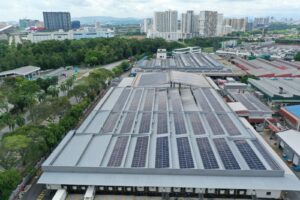
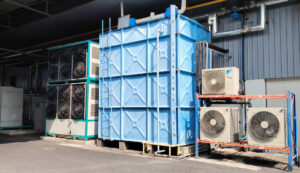
In FY2026, QL continued to make progress in its energy transition by expanding on-site solar installations across eight facilities within

Read More »

Caring for the Community

Positive Impact Through Community Engagement and Environmental Responsibility During FY2026, QL channelled RM900,873 into community initiatives, benefiting approximately 4,670 beneficiaries.
Read More »

Governance

Anti-Corruption

Why It Matters

Corruption and unethical business practices pose significant risks to organisational integrity, stakeholder trust, and long-term value creation. As a diversified group operating across multiple sectors, QL remains committed to upholding the highest standards of integrity, transparency and accountability in all business dealings.

Strong anti-corruption practices are essential to safeguarding our reputation, ensuring compliance with applicable laws and regulations, and promoting a fair and ethical business environment. They also support sustainable growth by reinforcing stakeholder confidence and protecting the Group from legal, financial and reputational risks.

Our Approach

QL adopts a zero-tolerance stance towards all forms of bribery and corruption, underpinned by a robust governance framework and clear policies that guide ethical conduct across the Group.

Our approach is anchored on the following key principles, in accordance with our Anti-Bribery and Anti-Corruption (ABAC) Framework as well as Anti-Bribery and Anti-Corruption (ABAC) Policy:

  • Strong Governance Framework – Implementation of Anti-Bribery and Corruption (ABC) policies aligned with Malaysian Anti-Corruption Commission (MACC) requirements, supported by Board oversight and management accountability.
  • Clear Policies and Standards – Enforcement of the Code of Business Ethics and Conduct
    (COBEC), Anti-Bribery and Corruption Policy, and related procedures governing gifts, hospitality, and conflicts of interest.
  • Risk-Based Controls – Ongoing identification, assessment and mitigation of corruption risks across operations, including third-party engagements.
  • Awareness and Training – Regular training and communication programmes to strengthen employee awareness and reinforce ethical decision-making.
  • Reporting and Whistleblowing Mechanisms – Provision of accessible and confidential channels for reporting misconduct, supported by non-retaliation principles and independent investigation processes.
  • Monitoring and Continuous Improvement – Periodic reviews, audits, and enhancements to ensure effectiveness of the anti-corruption framework and compliance with evolving regulatory

The ABAC policy refers bribery, embezzlement, fraud, collusion, theft, money laundering, extortion, breach of trust, abuse of position and trading under influence as corrupt actions or behaviours under the relevant laws of each jurisdiction where the Group operates.

The ABAC policy details structured due diligence process to assess and screen internal and external parties to assess potential risks related to bribery, corruption or other unethical conduct. Assessment will be conducted on Stakeholders to evaluate their exposure to bribery and corruption risks. Based on the identified risk levels, appropriate due diligence procedures are designed and implemented to ensure effective mitigation and compliance.

Our Target

Zero confirmed bribery case

FY2026 Performance

Zero case reported this year

FY2026 Highlights

  • Zero Violation

    on Anti-Bribery Policy (ABP)

  • 100% of operations assessed

    for risk related to corruption

  • 69.3% executives and 73.1% non-executives

    received training on anti-bribery

  • 100% of employees

    occupying higher risk roles completed an enhanced online training module on Anti-Corruption

  • 98.1% of employees

    occupying higher risk roles completed an enhanced online training module on Anti-Corruption

Our Performance
Anti-Corruption
Indicator Unit of Measurement FY2024 FY2025 FY2026
Number of Violations of Anti-Bribery Policy Number 0 0 0
Employee Trained on Anti-Corruption by Job Category Employees Occupying Higher Risk Roles Percentage - 100% 98.1%
Executive and Above Percentage 82.9% 86.2% 69.3%
Non-Executive Percentage 80.2% 78.0% 73.1%
View Our Anti-Corruption Section in the Integrated Annual Report

Explore Our Impact Stories

Renewable Energy

In FY2026, QL continued to make progress in its energy transition by expanding on-site solar installations across eight facilities within

Read More »

Caring for the Community

Positive Impact Through Community Engagement and Environmental Responsibility During FY2026, QL channelled RM900,873 into community initiatives, benefiting approximately 4,670 beneficiaries.

Read More »

Social Responsibility

Community Contributions

Why It Matters

QL operates in close proximity to local communities. Community wellbeing influences operating relationships and the social acceptance of our business activities. Limited engagement may lead to misunderstandings or operational challenges. Positive community relations are important to stable business operations.

Our Approach

At QL, community stewardship is driven by our “Value for All” philosophy. Guided by our Corporate Citizenship and Philanthropy Framework, we deliver flagship programmes that combined short-term initiatives with long-term engagements, strategically aligned with our Group’s business objectives and integrated across our diverse business pillars. We promote employee volunteerism through our community programmes, enabling employees to participate meaningfully in initiatives that support local communities. Our focus remains on creating lasting, measurable impact, strengthening communities while fostering inclusive growth and responsible business practices.

FY2026 Highlights

  • RM 900,873 invested

    in community programmes, benefiting 4,670 individuals and organisations across local communities

  • 754 fishermen supported

    through the Fisherman Financial Assistance Scheme, with RM 15.67 million in interest-free financing to enhance financial resilience and livelihoods

  • Our Future programme expanded

    its reach, to reach approximately 683 children across 20 kindergartens

  • 29,746.76 meals recovered and redistributed,

    creating dual environmental and social impact by reducing food waste and alleviating hunger

Our Performance
Community Contributions
Indicator Unit of Measurement FY2024 FY2025 FY2026
Number of Beneficiaries of the Investment in Communities Number 11,832 16,839 4,670
Fisherman Financial Assistance Scheme RM’000 585 443 556
Support for Communities & Community Infrastructure RM’000 940 1,515 900
Total Amount Invested in the Community RM’000 1,525 1,958 1,456
View Our Community Contributions Section in the Integrated Annual Report

Explore More Social Impact Stories

Caring for the Community

Positive Impact Through Community Engagement and Environmental Responsibility During FY2026, QL channelled RM900,873 into community initiatives, benefiting approximately 4,670 beneficiaries.
Read More »

Social Responsibility

Occupational Safety & Health

Why It Matters

Talent management is a key enabler of QL’s long-term growth, operational resilience and sustainable value creation across our diverse business pillars. A capable, engaged and future-ready workforce enhances productivity, supports innovation and strengthen our ability to adapt to evolving business and industry demands.

At the same time, effective talent strategies mitigate workforce-related risks, including skills gaps, high turnover and leadership succession challenges, while reinforcing service quality and operational continuity across all business pillars.

By investing in continuous capability development, leadership pipeline building and a positive employee experience, we foster a resilient, high-performing workforce that strengthens organisational culture, supports responsible business practices and enables sustainable outcomes for employees, shareholders and broader stakeholders.

Our Approach

At QL, the safety, health and well-being of our employees, contractors, and business partners are fundamental to how we operate. Our Occupational Safety and Health Policy accentuate the preservation of a safe and healthy work environment, the prevention of occupational illness or injury, integrating safety and health to protect the people at work. Guided by leadership at all levels, we cultivate a proactive safety culture, reinforce clear accountabilities and continuously strengthen our occupational safety and health (OSH) practices.

We adopt a disciplined approach anchored in data driven decision-making, robust performance monitoring and early intervention. Beyond regulatory compliance, we align with internationally recognised standards such as ISO 45001:2018 to enhance the maturity of our OSH management systems and drive sustainable operational performance.

Through this integrated approach, we aim to provide a safe, healthy and conducive work environment that supports the wellbeing of our workforce while enabling operational excellence.

Our Target

  • Zero fatality
  • LTIFR: 2.98

FY2026 Performance

  • Two work-related fatalities were recorded during FY2026, both occurring off-site
  • Achieved an LTIFR of 2.77, exceeding the FY2026 target
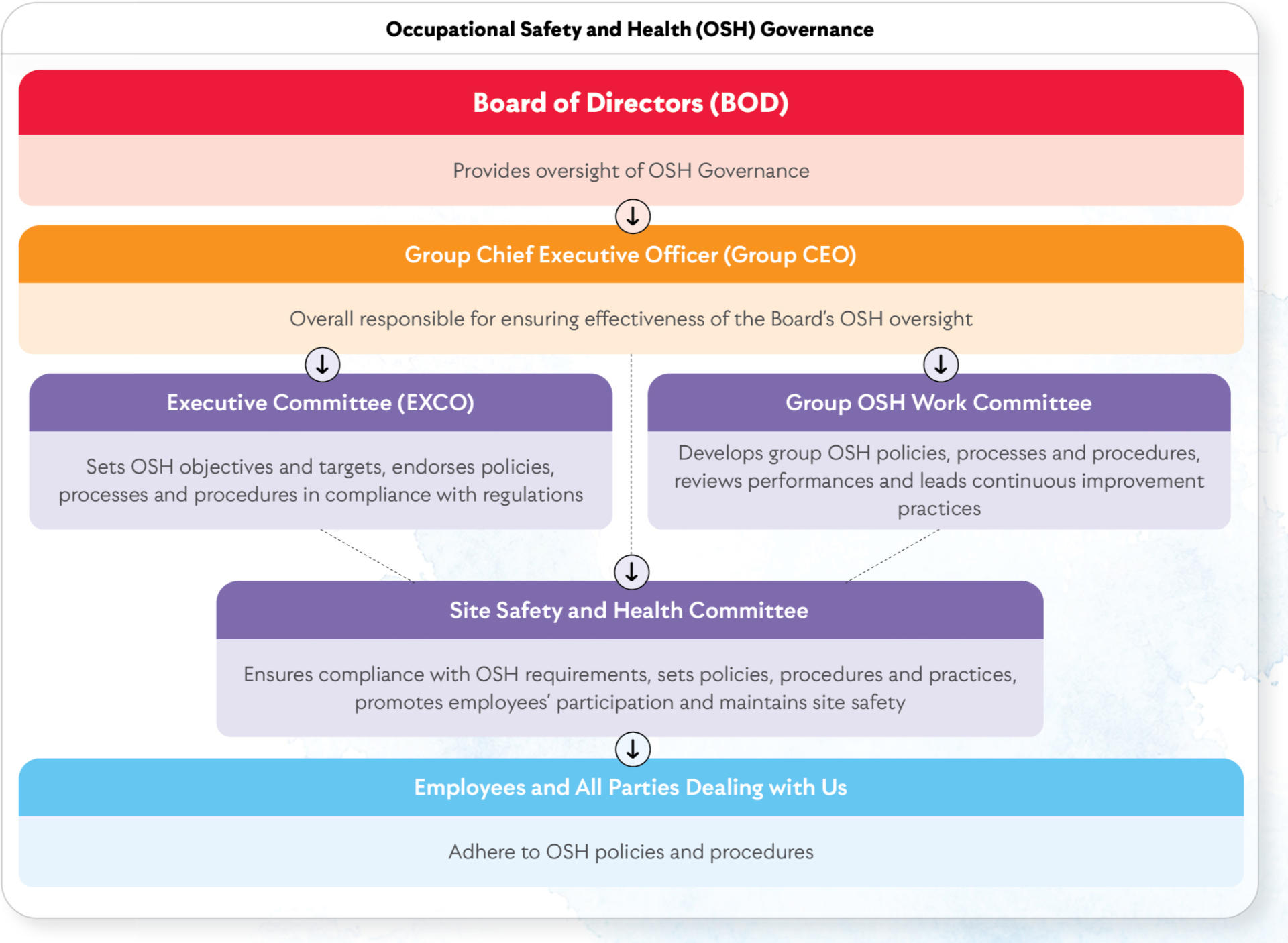
OSH Governance, Management & Accountability

Anchoring our safety commitments is a robust governance, management and accountability structure that ensures safety and health standards are consistently implemented across all levels of the organisation. Clear roles, responsibilities and reporting lines strengthen coordination between management, employees and OSH committees.

With Board-level oversight and leadership accountability embedded across the Group, safety performance is actively managed, regularly reviewed and integrated into key business decisions. The Lost Time Injury Frequency Rate (LTIFR) is a key performance indicator for directors, senior management, line managers and supervisors, and where applicable, is directly linked to the remuneration framework to reinforce accountability and drive sustained focus on safety outcomes.

By embedding OSH into our core business processes and decision-making, and integrating it within our Group’s risk management framework, we demonstrate a firm and sustained commitment to safeguarding our workforce and fostering a safe, healthy and resilient work environment across all our operations.

FY2026 Highlights

  • 17.6% of business units certified to ISO 45001:2018,

    with ongoing efforts to expand certification and strengthen OSH management system maturity across the Group

  • 4,577 employees were trained on health and safety standards

    within the reporting year

  • Implemented a group-wide safety campaign

    over a three-week period

  • Hazard and Risk Register

    is established

  • Two work-related fatalities

    were recorded during the year, involving one employee and one contractor. Extensive investigations were conducted, with corrective and preventive actions implemented

  • Lost Time Injury Rate (LTIFR) improved to 2.77,

    representing an 11.5% reduction from FY2025, with total lost time injury incidents decreasing from 98 to 87 cases

Our Performance
Occupational Safety and Health
Indicator Unit of Measurement FY2024 FY2025 FY2026
Fatality Case 1 0 2
Lost Time Injury Case * 120 98 87
Non-Lost Time Injury Case 258 250 110
Occupational Illness, Poisoning & Diseases Case 2 2 1
Near-Miss/ Significant Safety Occurrence Case 36 239 96
Non-Compliance (NC) Case 1 4 8
Total Number of Cases Case * 418 593 304
Lost Time Injury Frequency Rate Per million hours 4.09 3.14 2.77
Number of Employees Trained on Health & Safety Standards Number 3,480 4,250 4,577
View Our Occupational Safety & Health Section in the Integrated Annual Report

Explore More Social Impact Stories

Caring for the Community

Positive Impact Through Community Engagement and Environmental Responsibility During FY2026, QL channelled RM900,873 into community initiatives, benefiting approximately 4,670 beneficiaries.

Read More »

Social Responsibility

Talent Management

Why It Matters

Talent management is a key enabler of QL’s long-term growth, operational resilience and sustainable value creation across our diverse business pillars. A capable, engaged and future-ready workforce enhances productivity, supports innovation and strengthen our ability to adapt to evolving business and industry demands.

At the same time, effective talent strategies mitigate workforce-related risks, including skills gaps, high turnover and leadership succession challenges, while reinforcing service quality and operational continuity across all business pillars.

By investing in continuous capability development, leadership pipeline building and a positive employee experience, we foster a resilient, high-performing workforce that strengthens organisational culture, supports responsible business practices and enables sustainable outcomes for employees, shareholders and broader stakeholders.

Our Approach

We focus on attracting, developing and retaining talent through structured training, leadership development and inclusive workforce practices. Performance management and career development processes are used to build skills and support progression. Employee engagement is monitored to identify areas for improvement. These efforts help maintain a capable and motivated workforce.

Our Target

16 training hours for executives and 10 training hours for non-executives per year

FY2026 Performance

An average of 33.98 training hours per executive and 26.53 training hours per non-executive were recorded”

FY2026 Highlights

  • Over 220,000 of employee development hours

    recorded

  • Onboarded 5,408 new hires

    across all business pillars to support business growth and operational resilience

  • Offered 183 internship placements;

    7.1% converted to permanent roles, supporting our longer-term talent pipeline

  • Maintained strong engagement outcomes

    in the CVS business pillar, with FamilyMart achieving an engagement score of 88.0% and QL Kitchen recording 96.0%”

Our Performance
Talent Management
Indicator FY2024 FY2025 FY2026
Number Percentage Number Percentage Number Percentage
Board Diversity
By Age Group Under 50 2 18.2% 1 10.0% 1 10.0%
50 to 59 1 9.1% 2 20.0% 2 20.0%
60 to 69 6 54.5% 5 50.0% 3 30.0%
70 and above 2 18.2% 2 20.0% 4 40.0%
By Gender Male 7 63.6% 7 70.0% 7 70.0%
Female 4 36.4% 3 30.0% 3 30.0%
Total Number of Directors on the Board 11 10 10
Indicator FY2024 FY2025 FY2026
Number Percentage Number Percentage Number Percentage
Workforce Diversity
By Gender Group and Employment Type
Male Permanent 3,356 34.5% 3,639 35.5% 4,160 40.0%
Contract 2,492 25.7% 2,667 26.1% 2,281 21.9%
Female Permanent 2,752 28.3% 2,913 28.5% 3,368 32.5%
Contract 1,121 11.5% 1,014 9.9% 586 5.6%
By Gender Group and Nationality
Male Local 3,770 38.7% 3,795 37.0% 3,993 38.4%
Foreign 2,077 21.4% 2,511 24.6% 2,448 23.6%
Female Local 3,254 33.5% 3,295 32.2% 3,378 32.5%
Foreign 620 6.4% 632 6.2% 576 5.5%
By Gender Group and Age
Male Over 50 327 3.4% 362 3.5% 378 3.6%
30 to 50 2,413 24.8% 2,845 27.8% 3,004 28.9%
Under 30 3,107 32.0% 3,099 30.3% 3,059 29.5%
Female Over 50 169 1.7% 159 1.6% 165 1.6%
30 to 50 1,628 16.7% 1,741 17.0% 1,809 17.4%
Under 30 2,077 21.4% 2,027 19.8% 1,980 19.0%
By Gender Group and Job Category
Male Management 211 2.2% 238 2.3% 279 2.7%
Executive 481 5.0% 541 5.3% 602 5.8%
Non-Executive 5,155 53.0% 5,527 54.0% 5,560 53.5%
Female Management 197 2.0% 213 2.1% 243 2.3%
Executive 465 4.8% 533 5.2% 609 5.9%
Non-Executive 3,212 33.0% 3,181 31.1% 870 8.3%
Total Number of Employees 9,721 10,233 10,395
New Hires
By Gender Male 3,334 58.3% 3,759 61.0% 3,102 57.4%
Female 2,384 41.7% 2,404 39.0% 2,306 42.6%
By Age Group Under 50 41 0.7% 104 1.7% 68 1.2%
30 to 50 1,196 20.9% 1,622 26.3% 1,226 22.7%
Under 30 4,481 78.4% 4,437 72.0% 4,114 76.1%
Total Number of New Hires 5,718 6,163 5,408
Turn Over
By Gender Male 3,093 59.9% 3,146 58.8% 3,054 56.5%
Female 2,727 45.1% 2,069 40.1% 2,353 43.5%
By Age Group Over 50 93 1.8% 93 1.7% 130 2.4%
30 to 50 1,358 26.3% 1,374 25.7% 1,493 27.6%
Under 30 3,711 71.9% 3,882 72.6% 3,784 70.0%
By Job Category Management 304 5.9% 58 1.1% 74 1.4%
Executive 270 5.2% 235 4.4% 280 5.2%
Non-Executive 4,588 88.9% 5,056 94.5% 5,053 93.4%
Total Number of Employees Resigned 5,162 5,349 5,407
Relative Pay by Gender
Male 0.99 0.99 1.00
Female 1.02 1.01 1.00
Return to Work After Parental Leave by Gender
Male 100.0% 93.8% 92.3%
Female 83.1% 93.7% 77.4%
Retention Rate After Parental Leave by Gender
Male 85.5% 66.4% 83.9%
Female 65.4% 39.3% 79.3%
Indicator Unit of Measurement FY2024 FY2025 FY2026
Human Capital and Leadership Development
By Gender Male Hours 119,979 125,171 156,911
Female Hours 90,924 103,618 92,508
By Job Level Management Hours 11,276 13,862 23,350
Executive Hours 24,981 24,213 35,540
Non-Executive Hours 174,646 190,714 229,797
Total Training Hours Hours 210,903 228,789 288,687
Total Training Cost RM 1,269,875 1,579,204 2,396,210
Average Training Hours by Job Category Executive and Above Hours 29.70 24.97 33.98
Non-Executive Hours 21.21 21.90 26.53
Average Training Hours Per Employee Hours 21.70 22.36 27.77
Number of Employees Trained on Human Rights Number 1,791 4,785 2,669

100%

operations conducted self assessment for compliance with regulations

View Our Talent Management Section in the Integrated Annual Report

Explore More Social Impact Stories

Caring for the Community

Positive Impact Through Community Engagement and Environmental Responsibility During FY2026, QL channelled RM900,873 into community initiatives, benefiting approximately 4,670 beneficiaries.

Read More »

Social Responsibility

Labour Standards

Why It Matters

Labour standards are critical to managing salient human rights risks across QL’s operations and value chain, including forced labour, unfair working conditions and unequal treatment. Robust human rights due diligence and risk prioritisation strengthen regulatory compliance, safeguard workforce wellbeing and mitigate operational, legal and reputational risks.

They also support responsible and ethical business conduct, reinforcing stakeholder trust and enabling sustainable value creation in line with evolving ESG expectations.

Our Approach

QL is committed to respecting human rights and upholding fair labour practices across our operations and value chain. Our approach is anchored in clear policies, robust governance, targeted due diligence and accessible grievance mechanisms to prevent, identify and remediate labour rights risks in a timely and responsible manner.

As stipulated in our Human Rights and Labour Standards Policy, our commitments are aligned with internationally recognised human rights and labour standards principles, including the Universal Declaration of Human Rights, the International Labour Organization’s Declaration on Fundamental Principles and Rights at Work and the United Nations Guiding Principles on Business and Human Rights. Through this approach, we aim to provide a fair, safe and ethical workplace while supporting responsible labour practices across our value chain.

Our Target

Zero substantiated complaints concerning human rights violations

FY2026 Performance

Zero substantiated complaints concerning human rights and fair labour received through whistleblower channel

FY2026 Highlights

  • 2 business sites

    assessed through human rights and fair labour due diligence audits

  • Fully compliance with the Employment (Amendment) Act 2022 (“the Amendment Act”)

    for all business units in Peninsular Malaysia

  • Upholding of “Zero Recruitment Fee” in hiring

    of all our migrant workers

  • 2,669 employees

    attended the Human Rights and Labour Standards Policy Briefing

  • 86 managers completed external training

    on workplace bullying and harassment

  • Zero whistleblowing reports

    of human rights or fair labour violations were received

Labour Standards
Indicator Unit of Measurement FY2024 FY2025 FY2026
Workplace Grievance and Harassment Handling
Number of Substantiated Complaints Concerning Human Rights Violations Case 0 0 0
Number of Substantiated Complaints Concerning Harassment Case 2 7 22

100%

compliance with the minimum wage announcement by the Malaysian government effective 1st May 2022.

myGAP
View Our Labour Standards Section in the Integrated Annual Report

Explore More Social Impact Stories

Caring for the Community

Positive Impact Through Community Engagement and Environmental Responsibility During FY2026, QL channelled RM900,873 into community initiatives, benefiting approximately 4,670 beneficiaries.
Read More »

Environmental Responsibility

Supply Chain (Environment)

Why It Matters

Environmental performance within QL’s supply chain influences emissions levels, resource use and compliance outcomes. Supplier practices may affect production continuity and operational reliability. Inconsistent environmental standards can also expose the Group to reputational and regulatory risks. Environmental supply chain management is therefore an important aspect of risk mitigation.

Our Approach

As we implement our Supply Chain Policy, we integrate environmental expectations i.e. energy, GHG emissions, water and other resources as well as climate change, waste management etc. into supplier engagement through policies, self-assessments and targeted audits. Supplier self-assessment forms reflect suppliers’ environmental practices and alignment with our Supply Chain Policy and sustainability expectations. This approach promotes more consistent environmental practices across the supply chain.

FY2026 Highlights

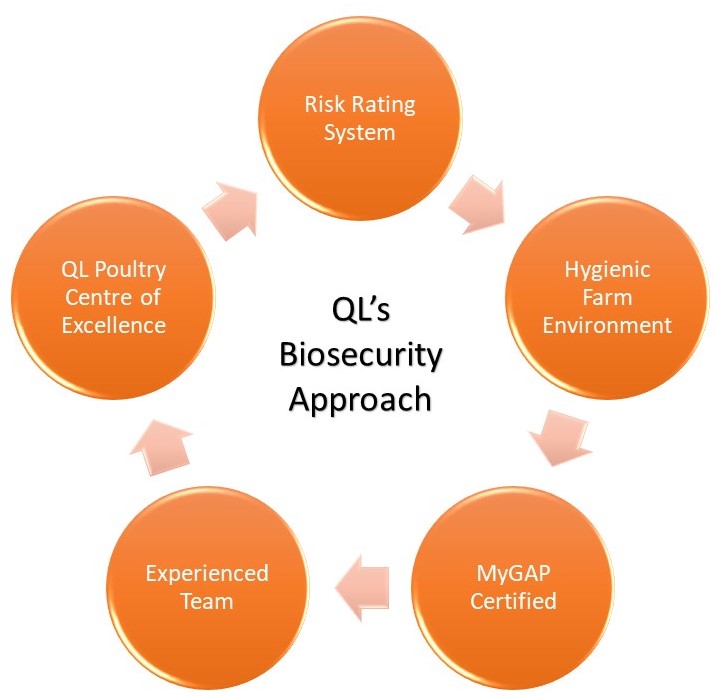
  • 51 biosecurity audits

    in 20 farms

  • 0.03% increase in biosecurity audit

    average score from previous year

*Poultry farms within Sustainability Statement reporting scope. 

Maintaining Environmental Accountability in Our Supply Chain 

Building on our commitment to responsible supply chain management, we continued the implementation and communication of the supplier environmental accountability self-assessment initiative across our supply chain, in line with our Supply Chain Policy and Code of Business Ethics for Suppliers and Business Associates.

Commitment to Sustainable Seafood: MSC Certification 

QL Foods maintained the Marine Stewardship Council (MSC) certification, reflecting our commitment to sustainable seafood sourcing. This certification assures that our seafood products come from well-managed fisheries that meet rigorous environmental standards.

The MSC certification aligns with our sustainability goals by promoting responsible fishing practices that protect marine ecosystems and support the long-term health of fish populations. Through this, we aim to contribute to the preservation of ocean biodiversity while offering our customers products they can trust.

Enhanced Biosecurity and Disease Surveillance 

In FY2026, biosecurity remained a critical control of our poultry operations, with QL placing stronger emphasis on improved early detection and rapid risk containment to safeguard flock health, welfare, and business continuity. Building on prior enhancements to on-farm controls, we strengthened a farm-wide disease surveillance system anchored by routine polymerase chain reaction testing and expanded serology monitoring through laboratory support across all farms. This approach enabled earlier identification of key pathogens, often before clinical signs or performance impacts became evident, supporting faster, evidence-based interventions and reducing the likelihood of wider transmission.

In parallel, serology monitoring programmes provided deeper insight into flock immunity profiles, vaccine response consistency, and exposure trends, allowing our veterinary and management teams to detect abnormal patterns early and act promptly. Standardised sampling schedules, clear escalation thresholds, and structured reporting improved comparability across sites and strengthened governance. Collectively, these measures enhanced QL’s operational resilience by improving detection speed, strengthening decision quality, and reinforcing our commitment to proactive biosecurity management for long-term sustainable performance.

100%

of poultry farms certified to MyGAP

100%

biosecurity assurance with internal laboratory test

TWICE A YEAR

internal audit across all poultry farms

View our Supply Chain (Environment) in the Integrated Annual Report

Explore More Social Impact Stories

Renewable Energy

In FY2026, QL continued to make progress in its energy transition by expanding on-site solar installations across eight facilities within

Read More »

Social Responsibility

Customer Responsibility

Why It Matters

As a food producer and retailer, QL’s reputation is closely linked to product quality, safety and accurate information. Food safety incidents or misleading claims may undermine customer trust and brand confidence. Compliance with food regulations is also essential for market access. Responsible customer practices are therefore central to brand credibility.

Our Approach

The Group’s Health and Nutrition Statement emphasises on access to and affordable nutrition for improved health of consumers and the community. We maintain rigorous food safety and quality standards across our operations, supported by responsible marketing and transparent product labelling. Continuous product improvement is driven through research and development initiatives. Customer feedback is monitored to identify opportunities for enhancement. These measures help ensure products consistently meet customer expectations.

FY2026 Highlights

  • More than 2,000 products

    are Halal certified

  • ILF, MPM and CVS facilities and products

    are certified to local and international standards

10

local & international certifications held

OVER 1,100

products are Halal-certified

Commitment to Develop Healthy and Nutritious Products
Over the past few years, the rise in adoption of healthier eating habits has led to the increase in demand for healthier food options. Recognising this trend, QL is committed to offering a diverse array of nutritious products to meet the rising demand. Guided by our Health and Nutrition Statement, QL is committed to continuously enhancing the quality and nutritional value of our offerings, aligning with industry-recognised health standards, all while ensuring that taste remains uncompromised.
Empowering Consumers to Make Informed Choices Through Responsible Marketing and Advertising

QL is committed to empowering customers to make well-informed purchasing decisions by providing clear, accurate and transparent product information. We ensure that all product labelling appropriately communicates product quality, nutritional content and safety attributes in accordance with applicable regulatory requirements. Our labelling practices strictly adhere to the Malaysia Food Act 1983, Food Regulations 1985, and United States Food and Drug Administration (FDA) as well as guided by the Malaysian Code of Advertising Practice and the Malaysian Communications and Multimedia Content Code.

To uphold accuracy and transparency, comprehensive internal processes and controls are in place to regularly review product content and nutritional information disclosed on new and existing product labels. Our Responsible Marketing and Advertising Policy outlines key principles governing advertising, marketing and product labelling practices, ensuring responsible, ethical, accurate and brand value consistent product information sharing. The policy details the provision of regular training for all employees involved in marketing and advertising activities, updates on the related legal and ethical standards, compliance with this policy complemented with QL’s disciplinary procedures, respect and appreciation on diversity with zero tolerance stance against cultural appropriation or discrimination, finetuning of approach to consider consumers’ needs and current market sentiments.

Producing Quality and Safe Food

QL is committed to delivering products that consistently meet the highest standards of food quality and safety. Across our MPM, ILF and CVS business segments, we have implemented stringent food safety management systems and quality control processes throughout our operations. These measures are designed to ensure full compliance with all relevant local and international food quality and safety requirements.

Our production facilities are certified under recognised standards, including Halal Standards, Hazard Analysis and Critical Control Points (HACCP), Food Safety System Certification 22000 (FSSC 22000), Good Manufacturing Practice (GMP), and Makanan Selamat Tanggungjawab Industri (MeSTI), reinforcing our commitment to safe and reliable food production. Our workers undergo continuous training and uphold the strict requirements of food hygiene, safety and product quality control e.g. HACCP, GMP, MeSTI and ISO 9001 standard.

As one of Malaysia’s leading food producers, QL remains firmly dedicated to offering a diverse range of Halal products in full compliance with the Halal requirements prescribed by Jabatan Kemajuan Islam Malaysia (“JAKIM”). As at end-March 2026, QL has released approximately 2,000 Halal-certified products.

iso22000-2005
Halal Malaysia
MESTI
fssc 22000
Nourishing Young Minds with QL Eggs Brain+

Focused on delivering safe, nutritious and high quality food, QL continues to enhance its eggs to support healthier futures for families. Guided by our Health and Nutrition Statement and our focus on improving access to nutrition, QL introduced QL Eggs Brain+ to meet the needs of families who place high importance on cognitive development, especially during early growth years.

QL Eggs Brain+ are enriched with DHA and choline to help support children’s memory, learning and brain development. Just one Brain+ egg provides the same amount of DHA as eight glasses of growing up milk, making it an easy and natural way to give the brain essential nutrients through a food families already enjoy every day. DHA helps the brain work better, while choline supports healthy brain development from a young age.

By combining nutrition science with everyday accessibility, QL Eggs Brain+ make it easier for households to fuel young minds through simple and nutritious meals, reinforcing QL’s commitment to delivering meaningful nutrition from farm to table.

View Our Customer Responsibility Section in the Integrated Annual Report

Explore More Social Impact Stories

Caring for the Community

Positive Impact Through Community Engagement and Environmental Responsibility During FY2026, QL channelled RM900,873 into community initiatives, benefiting approximately 4,670 beneficiaries.

Read More »

Social Responsibility

Growing Our Business

Our Approach

QL innovates continuously and remains steadfast in increasing its capacity to offer resource-efficient protein nourishments to consumers. When undertaking expansion via organic growth or through acquisitions, we make informed and strategic decisions to focus on businesses that offer sustainable growth potential and strengthen our value chain.

We allocate and deploy six capitals – Natural, Manufactured, Intellectual, Human, Social and Financial – to deliver sustainable value for stakeholders.

FY2023 Highlights

  • RM 240 million

    invested to support business growth

Our Performance
FY2021 FY2022 FY2023
  Economic Value Generated & Distributed (RM ‘000)
1 Direct Economic Value Generated 4,378,800 5,236,049 6,242,643
  Sale of goods 4,308,421 4,968,001 5,935,525
  Construction contracts 70,362 267,975 307,097
  Dividend income 17 73 21
2 Operating Costs 3,519,655 4,438,007 5,179,228
  Depreciation and amortisation 180,247 195,871 208,198
  Expenses arising from leases/ rental 35,169 45,411 50,412
  Remeasurement gain of the previously held equity interest in an associate (79,031) - -
  Cost of sales and others (suppliers, services etc.) 3,383,270 4,196,725 4,920,618
3 Employee Wages and Benefits 403,188 465,406 571,121
  Contributions to state plans 26,225 30,030 33,453
  Expenses related to defined benefit plans 3,997 646 3,072
  Wages, salaries and others 372,966 434,730 534,596
  Cost of sales and others (suppliers, services etc.) 3,383,270 4,196,725 4,920,618
4 Community Investments 1,347 1,682 1,483
  Fishermen financial assistance scheme* 777 700 647
  Support for communities & community infrastructure 570 982 836
5 Payment to Government 107,383 85,670 118,929
  Tax expense 107,383 85,670 118,929
6 Payment to Provider to Capital 109,513 115,411 202,020
  Loan providers 36,503 30,233 31,664
  Shareholders 73,010 85,178 170,356
         
Economic value distributed 4,141,086 5,106,176 6,072,781
Economic value retained 237,714 129,873 169,862

RM 827 MIL

invested into growing the business in last 3 years

View Our Growing Our Business Section in the Integrated Annual Report

Explore More Social Impact Stories

Caring for the Community

Positive Impact Through Community Engagement and Environmental Responsibility During FY2026, QL channelled RM900,873 into community initiatives, benefiting approximately 4,670 beneficiaries.

Read More »

Environmental Responsibility

Biodiversity

Why It Matters
QL’s agro-based businesses depend on healthy ecosystems to sustain livestock farming, fisheries and agricultural inputs. In practice of the Environmental Policy, we embed environmental risks into our wider risk identification and mitigation processes. Biodiversity loss may affect long-term supply reliability and increase exposure to environmental and climate-related risks. Pressures on natural habitats and fish stocks may be further intensified by climate change and land-use changes. Conserving biodiversity supports the ecological foundations of our operations.
Our Approach

In cognisant of the global climate crisis as well as anthropogenic activities’ impact to our supply chain and business operations, we are dedicated to growing our business in a more sustainable manner to reduce our ecological footprint, prioritizing environmentally responsible practices within our organisation. The Group’s Sustainability Policy and Environmental Policy underline our support on biodiversity conservation through habitat restoration initiatives, sustainable palm oil and seafood certifications, and strengthened biosecurity practices. Biodiversity considerations are integrated into relevant operational and supply chain activities. These efforts help mitigate ecological impact and promote responsible sourcing. Maintaining ecosystem health supports the sustainability of our business operations.

FY2026 Highlights

  • Planted 2,000 mangrove seedlings

    at Sabak Bernam

  • 98% survival rate

    after six months

  • 93% of palm oil produced

    is certified with MSPO

Note: Mangrove conservation programme delayed due to disruptions caused by COVID-19 pandemic.

8,500

mangrove seedlings planted

98%

of the survival rate

563

volunteers participated

Note: Performance since FY2022.

Mangrove Conservation Programme

Recognising mangroves’ pivotal role in sustaining biodiversity and essential habitats for both marine and terrestrial species, we make nature-based efforts that may help safeguard coastlines and support ecological stability. In line with the Group’s Environmental Policy and Climate Change Policy, we established a Group-wide target in FY2022 to plant 10,000 mangrove saplings over a six-year period, contributing to coastal ecosystem restoration and the conservation of biodiversity.

In collaboration with Wetlands International (WI) and the Forestry Department of Peninsular Malaysia (FDPM), the Group initiated planting and monitoring of mangroves at Banjar Utara Forest Reserve (Tanjung Karang) and Sabak Bernam.

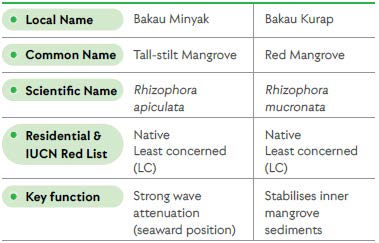
The species planted include:

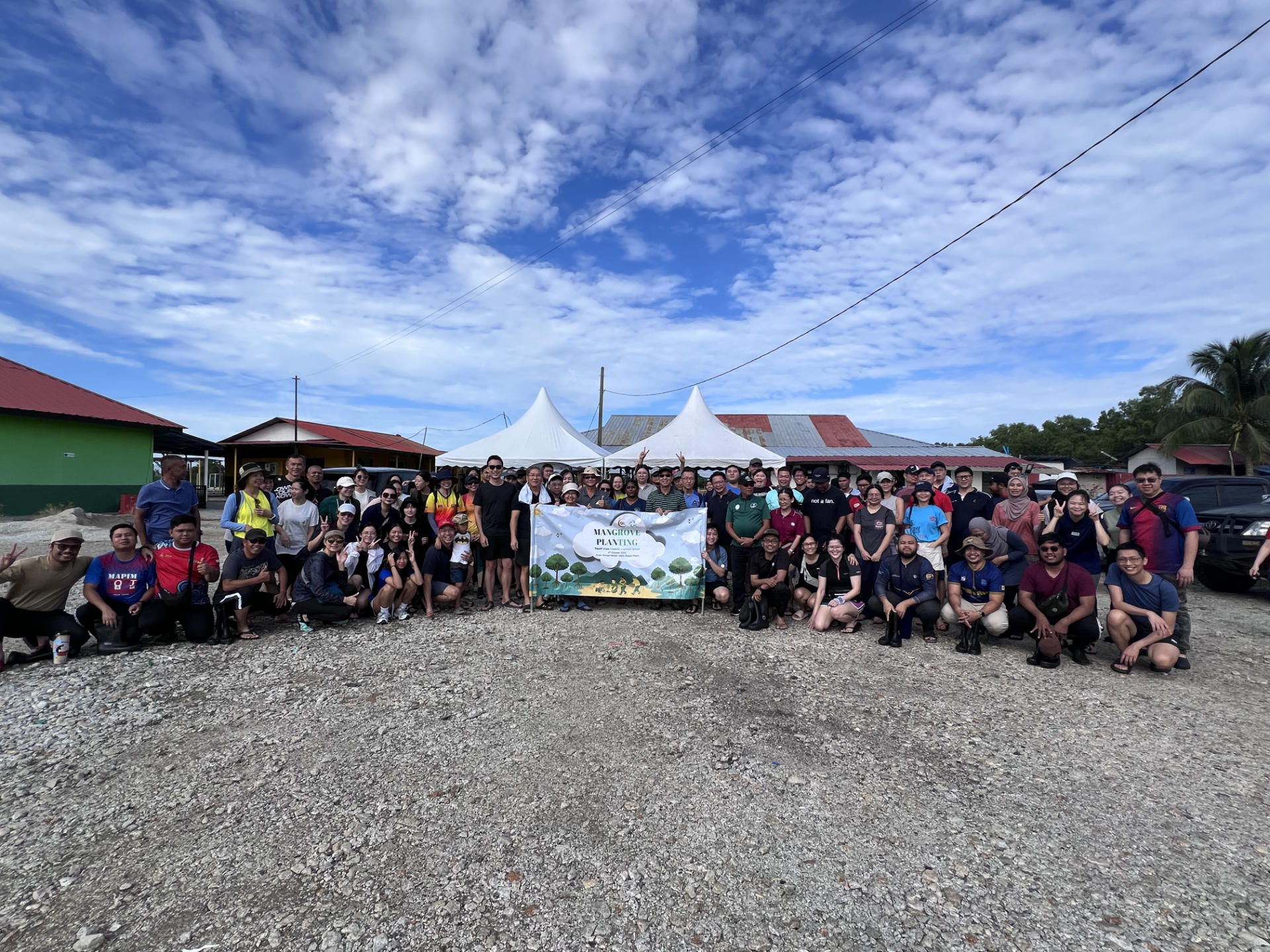
Continuing our efforts, on 4 October 2025, we planted an additional 1,500 saplings in collaboration with Selangor State Forestry Department and Wetlands International. This brought the cumulative total under our mangrove planting initiative to 8,500 saplings, achieving 85% of our planned target. The planting involved 136 participants, including 121 QL employees and their family members, along with 15 representatives from the Selangor State Forestry Department and Wetlands International. Hands on mangrove planting enables engagement with volunteers e.g. QL employees, undergraduates and students to better understand mangrove’s ecological role and co-benefits in climate change mitigation and adaptation, as well as economic opportunities to coastal communities.

Our Collaboration Partner

View our Biodiversity Section in Integrated Annual Report

Explore More Environmental Impact Stories

Renewable Energy

In FY2026, QL continued to make progress in its energy transition by expanding on-site solar installations across eight facilities within

Read More »

Acknowledgement of Whistleblowing Report

Dear Whistleblower,

Thank you for lodging your whistleblowing report with us.

To enable us to proceed with a complete evaluation of the matter, we kindly request that you complete the Whistleblowing Report Form, if you have not already done so.

You may access the form here:
Download Form

Kindly provide all relevant details and supporting information to assist with our review.

We wish to assure you that your submission will be reviewed impartially, and all disclosures will be treated confidentially in accordance with our Whistleblower Policy.

Regards
QL Resources Berhad