Environmental Responsibility
Supply Chain (Environment)
Environmental performance within QL’s supply chain influences emissions levels, resource use and compliance outcomes. Supplier practices may affect production continuity and operational reliability. Inconsistent environmental standards can also expose the Group to reputational and regulatory risks. Environmental supply chain management is therefore an important aspect of risk mitigation.
As we implement our Supply Chain Policy, we integrate environmental expectations i.e. energy, GHG emissions, water and other resources as well as climate change, waste management etc. into supplier engagement through policies, self-assessments and targeted audits. Supplier self-assessment forms reflect suppliers’ environmental practices and alignment with our Supply Chain Policy and sustainability expectations. This approach promotes more consistent environmental practices across the supply chain.
FY2026 Highlights
-
51 biosecurity audits
in 20 farms
-
0.03% increase in biosecurity audit
average score from previous year
*Poultry farms within Sustainability Statement reporting scope.
Building on our commitment to responsible supply chain management, we continued the implementation and communication of the supplier environmental accountability self-assessment initiative across our supply chain, in line with our Supply Chain Policy and Code of Business Ethics for Suppliers and Business Associates.
QL Foods maintained the Marine Stewardship Council (MSC) certification, reflecting our commitment to sustainable seafood sourcing. This certification assures that our seafood products come from well-managed fisheries that meet rigorous environmental standards.
The MSC certification aligns with our sustainability goals by promoting responsible fishing practices that protect marine ecosystems and support the long-term health of fish populations. Through this, we aim to contribute to the preservation of ocean biodiversity while offering our customers products they can trust.
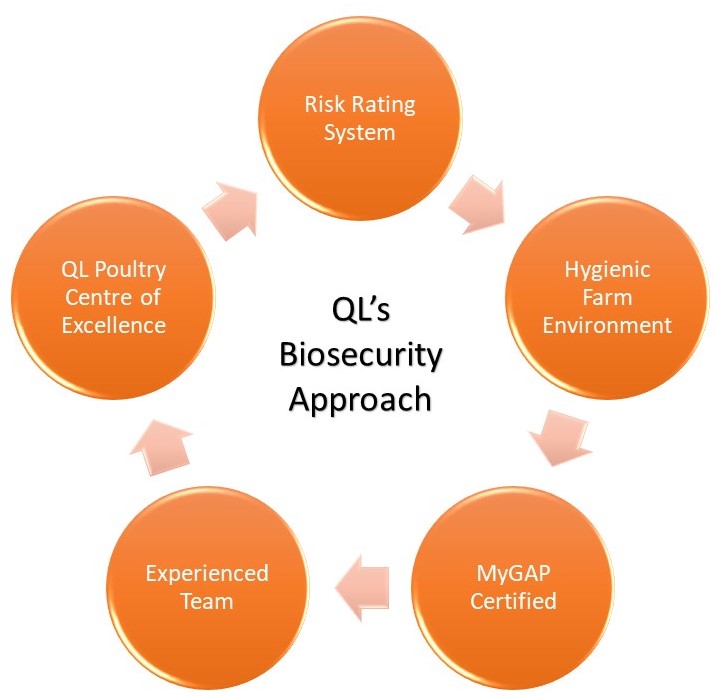
In FY2026, biosecurity remained a critical control of our poultry operations, with QL placing stronger emphasis on improved early detection and rapid risk containment to safeguard flock health, welfare, and business continuity. Building on prior enhancements to on-farm controls, we strengthened a farm-wide disease surveillance system anchored by routine polymerase chain reaction testing and expanded serology monitoring through laboratory support across all farms. This approach enabled earlier identification of key pathogens, often before clinical signs or performance impacts became evident, supporting faster, evidence-based interventions and reducing the likelihood of wider transmission.
In parallel, serology monitoring programmes provided deeper insight into flock immunity profiles, vaccine response consistency, and exposure trends, allowing our veterinary and management teams to detect abnormal patterns early and act promptly. Standardised sampling schedules, clear escalation thresholds, and structured reporting improved comparability across sites and strengthened governance. Collectively, these measures enhanced QL’s operational resilience by improving detection speed, strengthening decision quality, and reinforcing our commitment to proactive biosecurity management for long-term sustainable performance.
100%
of poultry farms certified to MyGAP
100%
biosecurity assurance with internal laboratory test
TWICE A YEAR
internal audit across all poultry farms
Explore More Social Impact Stories

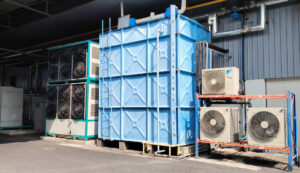
Rainwater Harvesting
The Group continues to adopt rainwater harvesting as part of its water management practices, with systems in place to support
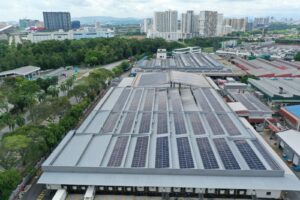
Renewable Energy
In FY2026, QL continued to make progress in its energy transition by expanding on-site solar installations across eight facilities within